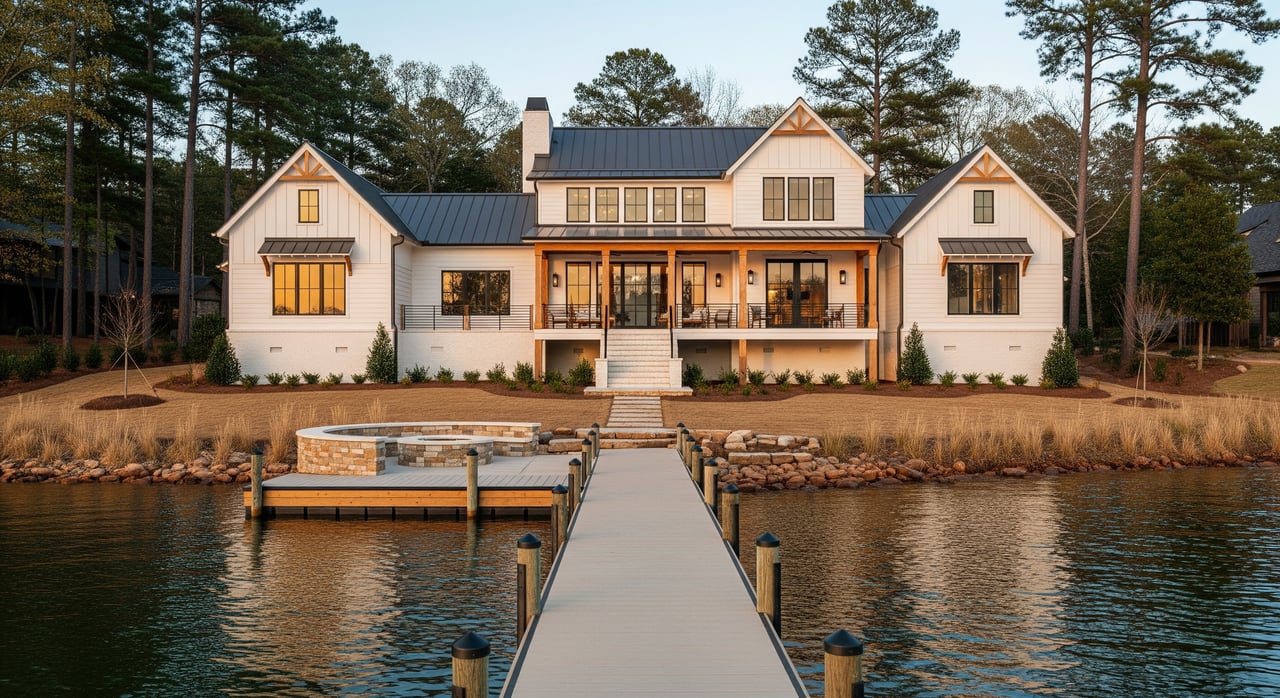
Thinking about refreshing your yard, redoing a driveway, or building near Lake Lanier? In Hall County, even small soil disturbance can send muddy runoff into creeks and the lake. That can harm water quality and slow down projects with inspections, delays, or fines.
You want to protect your property and your timeline. You also want clear steps that help you stay compliant without overcomplicating the work. In this guide, you’ll learn the basics of stormwater and erosion control, who regulates what, and the simple measures that keep soil in place and projects moving.
Let’s dive in.
Why stormwater basics matter
Stormwater is rain and runoff that flows over your yard, driveways, and roofs. When soil is exposed, stormwater can carry sediment and nutrients downhill. In Hall County, that often means runoff into small streams and Lake Lanier. The result can be cloudy water and algal blooms that affect recreation and water treatment.
If you plan any clearing, grading, tree removal, path or driveway work, or shoreline changes, you should understand how to limit disturbance and keep sediment on your property.
Who regulates your project
Multiple agencies may be involved depending on your location and scope. Start with a quick call before you move dirt.
Georgia EPD and the Construction General Permit
For land disturbance of 1 acre or more, or work that is part of a larger common plan, state construction stormwater rules usually apply. This often includes a formal erosion and sediment control plan and specific stabilization and maintenance steps. Timelines for temporary stabilization are commonly around 14 days for inactive areas, but you should verify the current permit.
Hall County Planning, Development, and Stormwater
Hall County issues local land disturbance permits, performs erosion control inspections, and can set requirements that are stricter than state rules. Many grading, driveway, and building activities need county approval, especially near streams, steep slopes, or Lake Lanier. Tree protection or replanting can also be required in site plans.
U.S. Army Corps of Engineers for Lake Lanier
Lake Lanier is federally managed. Work at or below the ordinary high water mark, dock construction, shoreline stabilization, or buffer changes often require authorization from the Corps and may also involve Hall County review. The Corps sets project boundaries and shoreline rules.
Other possible reviewers
Local cities inside Hall County may have their own rules if your property is within city limits. Soil and Water Conservation Districts and the Georgia Soil & Water Conservation Commission offer guidance and sometimes review plans.
What to do first
Before you start any land disturbing or shoreline work, call Hall County Planning & Development and the Stormwater office. If you are near the lake, also contact the Lake Lanier project office of the U.S. Army Corps of Engineers. If your project could disturb 1 acre or more, plan for state-level coverage and an erosion and sediment control plan. When in doubt, ask.
Plan to reduce runoff and erosion
Good planning helps you do less work, preserve your yard, and avoid enforcement issues.
Minimize the disturbed area
Only clear and grade what you must. Keep work zones compact, and schedule tasks so you can stabilize areas quickly. Smaller footprints reduce erosion risk and simplify inspections.
Maintain vegetated buffers
Keep or create a vegetated buffer along streams and the shoreline. Buffers slow runoff and trap sediment. Local guidance often recommends a buffer next to Lake Lanier, and some projects require it. Confirm buffer expectations with Hall County and the Corps before you clear.
Manage impervious surfaces and slopes
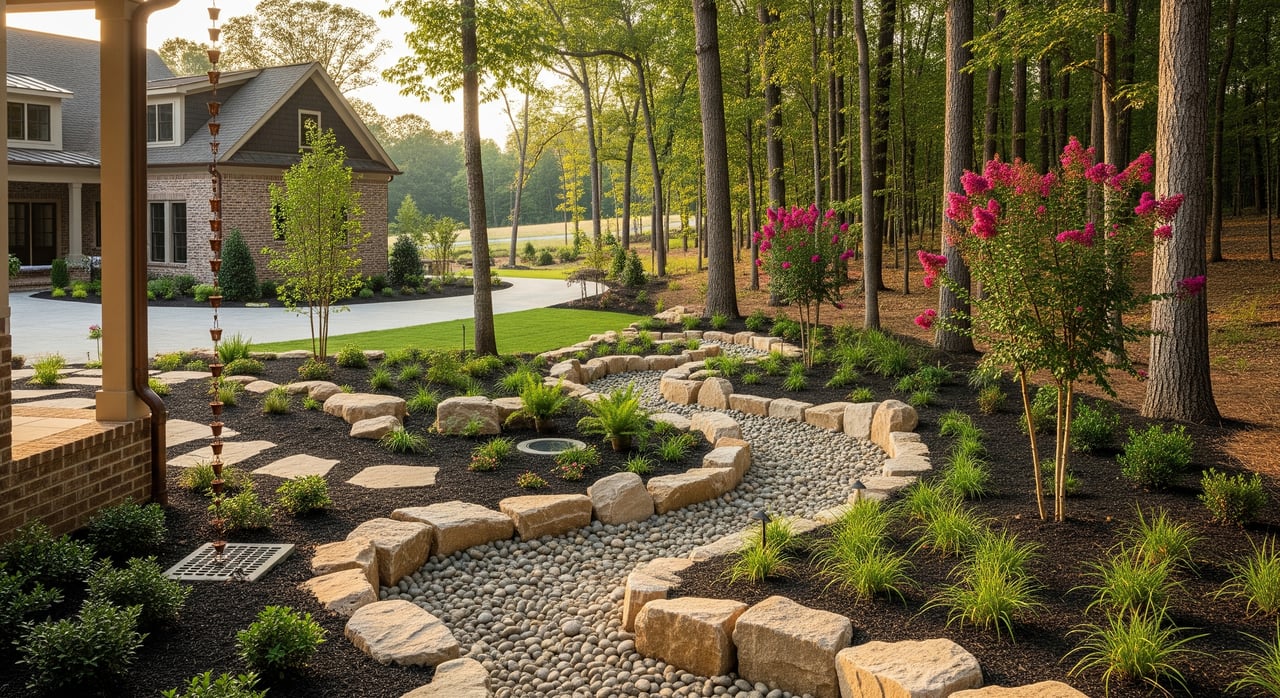
Plan driveways, patios, and roofs to limit new impervious area where possible. Use permeable options where suitable. Direct roof runoff to vegetated areas or a rain garden rather than concentrating flows toward the lake. Grade gently and avoid channeling water down steep slopes.
Pick shoreline stabilization that fits
For eroding banks, options include bioengineered approaches like coir logs and native plantings or engineered solutions like riprap. Bioengineered methods are often preferred for water quality and habitat where conditions allow, but most shoreline work requires permits. Choose a method that matches site conditions and secure approvals first.
Protect trees to protect your soil
Trees stabilize slopes, intercept rain, and reduce erosion. Plan to keep significant trees where feasible.
- Install protective fencing at the tree’s dripline before clearing or grading.
- Avoid changing grades or stockpiling soil inside protected root zones.
- Limit equipment traffic around roots and trunks to prevent compaction and damage.
- If roots must be cut, make clean cuts and consider an arborist for major removals.
- Some projects require replanting if protected trees are removed. Confirm county requirements.
Use the right controls at the right time
Temporary controls go in first. Permanent measures follow as you finish.
Temporary controls during work
- Silt fence or fiber rolls on the downslope side of the work area to trap sediment.
- A stabilized construction entrance with stone to reduce tracking mud into streets.
- Covered or stabilized stockpiles and separate topsoil for later restoration.
- Inlet protection for nearby storm drains.
- Phased grading so only the area you are working is exposed.
Permanent stabilization after work
- Permanent vegetation like turf, shrubs, or native plantings to hold soil.
- Terracing, retaining walls, or appropriate bank protection for steep areas.
- Rain gardens, swales, or infiltration features to slow and treat runoff.
- For larger sites, sediment basins may be required by local rules, but most small homeowner projects will not need them.
Step-by-step homeowner checklist
Follow this simple sequence to stay organized and compliant.
Before you plan
- Map your project footprint and estimate disturbance area.
- Call Hall County Planning & Development and the Stormwater office to confirm if you need a Land Disturbance Permit or other approvals.
- If you are near or below the ordinary high water mark on Lake Lanier, contact the U.S. Army Corps of Engineers for shoreline and dock guidance.
- If disturbance may reach 1 acre, plan for state Construction General Permit coverage and an erosion and sediment control plan.
- Call 811 to locate utilities. Check for any tree or historic rules that apply to your property.
- Hire contractors who know Hall County and Lake Lanier requirements. Ask for references and how they handle erosion control.
Planning and design
- Prepare a simple erosion and sediment control plan, even for small jobs. Show limits of disturbance, protection measures, and your stabilization schedule.
- Mark trees to keep and add fencing to protect roots.
- Specify temporary BMPs such as silt fence and a stabilized entrance, plus permanent stabilization like plantings or hardscapes.
- Build in time for staged stabilization and any required inspections.
During work
- Install perimeter controls before clearing or grading. Maintain the stabilized entrance.
- Keep disturbed areas as small as possible and avoid working during heavy rain.
- Manage stockpiles away from buffers and cover them if rain is forecasted.
- Inspect controls daily. Fix tears, re-secure stakes, and remove trapped sediment when it reaches about half the height of the barrier.
- Protect fenced tree areas. Do not grade inside root zones.
- Document inspections and maintenance with photos and dates.
After work
- Seed, mulch, or plant to establish permanent vegetation on schedule. Finish hardscapes.
- Remove temporary controls only after upstream areas are permanently stabilized and inspectors allow removal if permits apply.
- If you had permits, schedule final inspections and obtain closeout documentation.
- Keep all records. Buyers often ask for proof of permits and final inspections.
If something goes wrong
- Stop work if you see sediment leaving your property.
- Call Hall County Planning & Development and fix the issue immediately by repairing controls, re-seeding, and removing off-site sediment where needed.
- Quick, cooperative action helps reduce enforcement.
How this affects your sale or purchase
Stormwater compliance can impact property value, timelines, and negotiations. Unpermitted shoreline changes, missing inspections, or visible erosion can delay closing or add repair costs. Clear records of permits, inspections, and final stabilization can make your sale smoother and give buyers confidence.
If you are buying near Lake Lanier, review recent site work, buffers, and shoreline conditions during due diligence. Ask for documentation and factor any open items into your timeline.
Practical low-cost tips
- Keep a vegetated buffer near the shoreline with native species for strong root systems.
- Use coir logs or fiber rolls at the toe of slopes and plant into the bank where suitable and approved.
- Lay a gravel pad at your entry to prevent tracking and install silt fence downslope.
- Direct downspouts to a rain garden or vegetated area. Rain chains can help slow flow.
- Seed and mulch exposed soil as soon as possible. Cover stockpiles with tarps before rain.
When to get help
Call Hall County Planning & Development early for permit guidance. If your project touches the lake or its buffer, contact the U.S. Army Corps of Engineers first. For larger or complex projects, work with contractors who regularly manage erosion controls and local inspections.
Ready to talk through how stormwater and shoreline rules could affect your real estate plans in Hall County? Schedule a consultation with Jason Chen for local guidance that supports a smooth purchase or sale.
FAQs
Do small landscaping projects in Hall County need permits?
- It depends on scope and location. Minor yard work away from water that does not involve significant grading usually avoids state permitting, but Hall County may still require local approvals near streams, steep slopes, or Lake Lanier. Always check with the county first.
When do Georgia state stormwater rules apply to my project?
- State Construction General Permit coverage commonly applies at 1 acre of disturbance or more, including projects that are part of a larger common plan. Verify current thresholds and requirements with Georgia EPD and Hall County before starting work.
How close to Lake Lanier can I clear or build?
- Setbacks and buffers vary by agency and project. Both Hall County and the U.S. Army Corps of Engineers regulate shoreline activities. Maintain a vegetated buffer and confirm specific requirements before clearing or building.
Who inspects stormwater and erosion controls in Hall County?
- Hall County staff inspect local land disturbance work. Georgia EPD oversees state-level permit conditions. The U.S. Army Corps of Engineers reviews shoreline and in-water activities at Lake Lanier.
How long must I keep temporary controls in place?
- Keep temporary controls until all upstream areas are permanently stabilized and inspectors approve removal if permits apply. State permits commonly require temporary stabilization for inactive disturbed areas within roughly 14 days, but confirm current timelines.
What happens if sediment leaves my property during construction?
- Stop work and correct the issue right away. Common enforcement tools include stop-work orders, fines, and restoration requirements. Prompt cooperation and repairs help limit penalties.